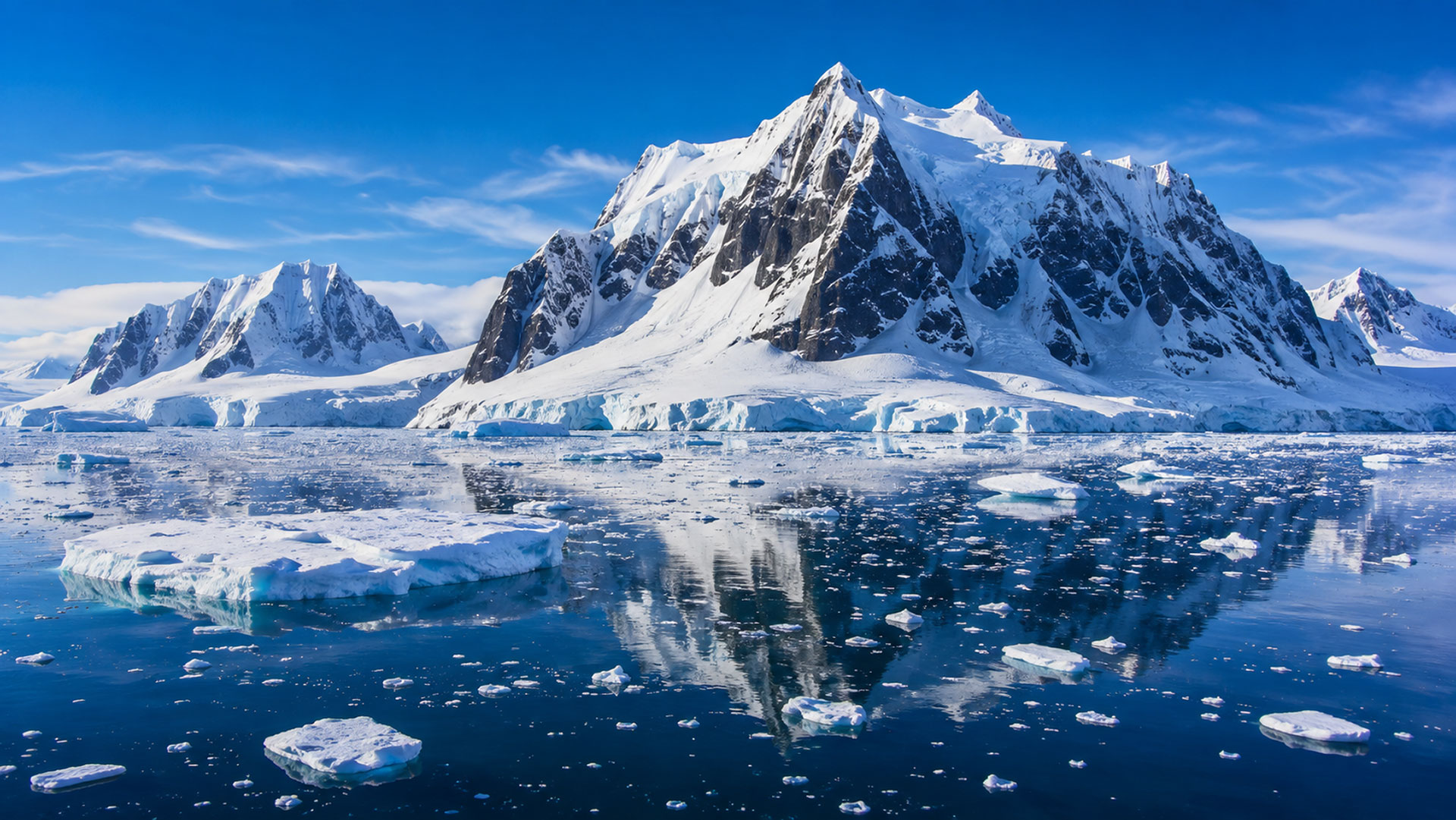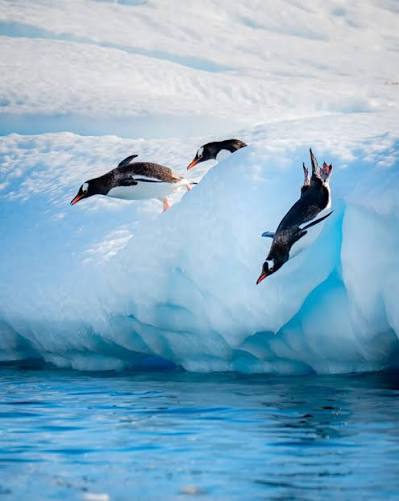
At the southernmost edge of the world lies a continent unlike anywhere else on Earth. Vast sheets of ice, towering glaciers, open seas, snow-covered mountains and enormous colonies of penguins create a landscape that feels almost unreal. An Antarctica expedition is not simply another holiday—it is an opportunity to experience one of the most remote and extraordinary corners of the planet.
For travellers who have already explored the usual luxury destinations and are looking for something genuinely different, Antarctica offers a completely new kind of journey.
What Makes an Antarctica Expedition So Special?
Antarctica is not a destination you simply "visit" in the conventional sense. There are no busy streets, shopping districts or conventional tourist attractions. Instead, the experience revolves around nature and exploration.
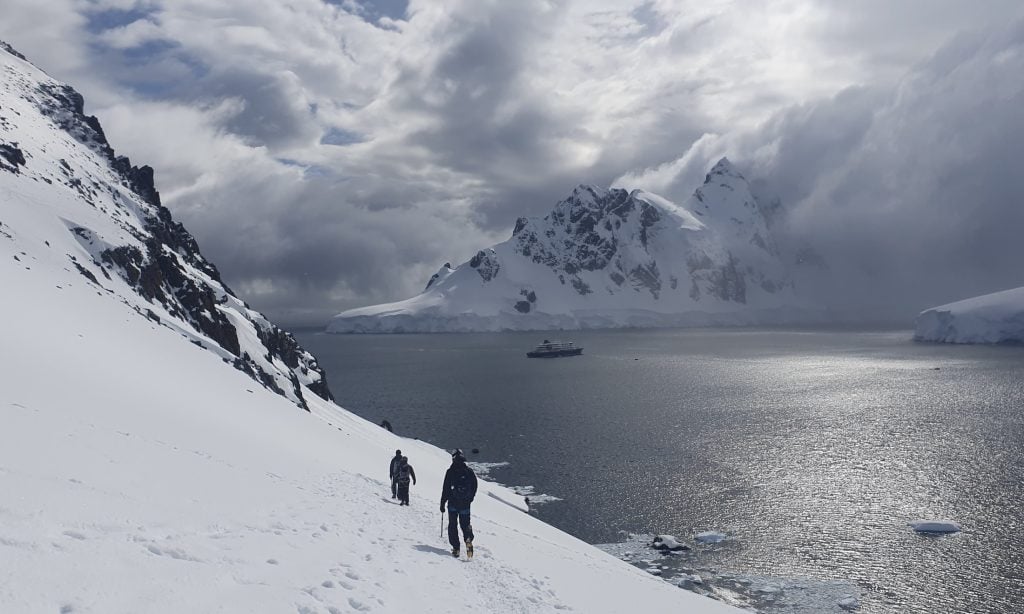
One morning could begin with a Zodiac excursion through calm Antarctic waters. A few hours later, you may find yourself standing on a remote shoreline surrounded by thousands of penguins. In the distance, enormous icebergs drift through the ocean while glaciers stretch across the landscape. The sense of scale is difficult to capture in photographs.
This remoteness is one of the biggest reasons travellers choose an Antarctica expedition. It offers something increasingly difficult to find in modern travel: space, silence and a genuine feeling of discovery.
Where Is Antarctica?
Antarctica is located around the South Pole and is surrounded by the Southern Ocean. The continent is almost entirely covered by ice and is significantly larger than most people realise. It is also the coldest, driest and windiest continent on Earth.
Most tourist expeditions to Antarctica do not begin on the continent itself. Travellers commonly reach Antarctica by sailing from the southern tip of South America, with Ushuaia in Argentina being one of the primary gateways for Antarctic expeditions. The journey from South America across the Drake Passage is itself part of the adventure.
When Is the Best Time to Visit Antarctica?
Antarctica is not a year-round tourist destination. Expedition cruises generally operate during the Antarctic summer, when sea ice conditions allow ships to reach the Antarctic Peninsula and daylight hours are much longer. The main Antarctic travel season typically runs from November to March, although conditions and experiences vary throughout the season.
November to December: The early season offers a landscape that can feel particularly untouched. Snow and ice dominate the scenery, and penguin colonies become active as the Antarctic summer begins. Travellers may also see courtship and nesting activity among different penguin species.
January to February: These months are often associated with active wildlife experiences. Penguin chicks begin to appear, while seals and whales can also be encountered during expeditions. Longer daylight hours provide excellent opportunities for photography and exploration.
March: Late-season expeditions can offer a different atmosphere. The landscape begins transitioning towards autumn, and whale sightings can be particularly interesting. The exact wildlife experience, however, depends on weather and local conditions.
There is no single "perfect" month for everyone. The right timing depends on what you want to experience during your Antarctica expedition.
What Wildlife Can You See in Antarctica?
Wildlife is one of the major highlights of travelling to Antarctica. Penguins are perhaps the most iconic residents of the region, but they are far from the only animals you may encounter. Depending on your itinerary and location, an expedition can offer opportunities to see:
- Emperor penguins
- Gentoo penguins
- Chinstrap penguins
- Adelie penguins
- Leopard seals
- Weddell seals
- Crab eater seals
- Humpback whales
- Minke whales
- Orcas
- Albatrosses and other seabirds
Wildlife sightings are never guaranteed. That unpredictability is actually part of the experience.
An expedition isn't a carefully staged wildlife show. You are entering a natural environment where conditions, animal behaviour and weather determine what you see.
What Is an Antarctica Expedition Like?
An Antarctica expedition is very different from a traditional cruise. While comfortable accommodation, dining and onboard facilities are important parts of the experience, the focus remains firmly on exploration.
- Morning: Wake up to an announcement from the expedition team about a possible landing or wildlife sighting.
- Exploration: Travel by Zodiac boat towards a landing site, keeping an eye out for seals, whales and seabirds along the way.
- Landing: Walk through an Antarctic landscape while maintaining the required distance from wildlife and following expedition guidelines.
- Afternoon: Return to the vessel, enjoy lunch and attend an informative presentation by members of the expedition team.
- Evening: Relax on-board while watching icebergs and the changing Antarctic landscape from the deck.
Of course, no two days are exactly alike. Weather and sea conditions can change plans quickly, which is why flexibility is an important part of expedition travel.
Is Antarctica Suitable for Luxury Travellers?
Absolutely—but luxury in Antarctica has a different meaning. Luxury here is not about being surrounded by conventional five-star entertainment. It is about the quality of the vessel, the comfort of your accommodation, the expertise of the expedition team, the quality of dining and the overall organisation of the journey.
For travellers with limited time, choosing the right expedition and itinerary is particularly important. A well-planned Antarctica journey can combine comfortable accommodation, expert-led exploration, carefully planned shore excursions and seamless travel arrangements.
This is where personalised travel planning becomes valuable.
How Difficult Is an Antarctica Expedition?
You do not need to be an extreme adventurer to experience Antarctica. Most expedition programmes are designed for travellers who are reasonably mobile and comfortable participating in activities such as Zodiac transfers and shore landings.
However, Antarctica is a remote environment, and conditions can change quickly. Depending on the itinerary, travellers should be prepared for:
- Cold and unpredictable weather
- Rough seas
- Walking on uneven terrain
- Zodiac boat transfers
- Changing excursion schedules
- Limited access to medical facilities compared with major cities
What Should You Pack for Antarctica?
Packing for Antarctica requires a little more thought than packing for a normal holiday. Layering is particularly important because temperatures can change depending on whether you are inside the vessel, on deck or exploring ashore.
Essential items can include:
- Waterproof outer layers
- Warm thermal layers
- Insulated clothing
- Waterproof gloves
- Warm socks
- Waterproof footwear
- Sunglasses, Sunscreen, Lip balm
- Personal medication
- A good camera or smartphone
- Extra batteries or charging equipment
Your expedition operator will usually provide specific packing guidance before departure, and some operators provide or include certain expedition clothing and equipment.
Why Antarctica Is More than Just a Bucket-List Destination
"Bucket list" is probably one of the most common phrases associated with Antarctica. But reducing the experience to a box to tick on a travel list doesn't really do it justice. Antarctica changes the pace of travel. There are no crowded attractions demanding your attention. There is no rush to get from one landmark to another. Instead, you spend time watching a glacier, following a pod of whales, listening to the sound of ice moving through the water or simply standing quietly among an Antarctic landscape.
For many experienced travellers, that sense of perspective becomes one of the most memorable parts of the journey.
Responsible Travel in Antarctica
Antarctica is one of the most environmentally sensitive places on the planet.
Travelling there comes with a responsibility to minimise our impact on the environment and wildlife.
Reputable expedition operators follow strict environmental guidelines covering wildlife encounters, waste management, shore landings and passenger behaviour.
Travellers should never approach wildlife, remove anything from the environment or leave waste behind.
The goal is simple: experience Antarctica without compromising the environment that makes it so extraordinary.
Planning an Antarctica Expedition from India
For travellers from India, an Antarctica expedition requires more planning than a conventional international holiday.
The journey usually involves international flights to South America before connecting with the expedition departure point, commonly Ushuaia in Argentina.
Depending on the chosen itinerary, the overall journey can involve several flights, pre- and post-expedition stays and multiple travel arrangements.
This is why an Antarctica trip benefits from careful planning well before the departure date.
A specialist travel planner can help coordinate the different components of the journey—from international flights and accommodation to expedition selection and pre- or post-cruise arrangements.
For travellers with limited time, getting these details right can make a significant difference to the overall experience.
How Much Does an Antarctica Expedition Cost?
The cost of an Antarctica expedition varies considerably. Factors that influence the price include:
- Expedition vessel
- Cabin or suite category
- Length of the expedition
- Itinerary
- Departure date
- Included excursions
- Flights and accommodation before or after the expedition
- Additional travel arrangements
Luxury and specialist expedition itineraries can represent a significant investment, particularly when international flights and personalised arrangements are included.
Rather than looking only at the headline expedition price, it is worth considering the complete journey and what is included.
Choosing the Right Antarctica Expedition
Not every Antarctica expedition is the same.
The right choice depends on your priorities.
Some travellers may be interested primarily in wildlife and photography. Others may want a more comfortable luxury expedition with spacious accommodation and exceptional dining. Some may prefer a longer itinerary that allows more time for exploration.
When comparing expeditions, consider:
- The itinerary: How much time will you actually spend exploring Antarctica?
- The vessel: What level of comfort and on board facilities does it provide?
- The expedition team: Are experienced naturalists, historians and expedition specialists part of the journey?
- The excursions:What types of Zodiac trips, landings or other activities are available?
- The overall journey:How will flights, hotels and transfers fit around the expedition?
A good itinerary is about more than simply reaching Antarctica. It is about making the journey itself worthwhile.
Antarctica: A Journey for Those Who Want Something Different
There are countless beautiful destinations around the world.
Antarctica is different.
It is remote, unpredictable and remarkably untouched. It asks travellers to slow down, adapt to nature and accept that not everything can be planned down to the last minute.
And that is precisely what makes an Antarctica expedition so special.
For travellers who have the opportunity to experience it, the memories are likely to be about more than photographs. They are about the scale of the landscape, the wildlife, the silence and the feeling of being somewhere very few people will ever see.
Plan Your Antarctica Expedition with Travellers Journey
At Travellers Journey, we believe extraordinary journeys deserve thoughtful planning.
An Antarctica expedition involves much more than selecting a departure date. From choosing the right itinerary and expedition experience to coordinating international travel and the details around your journey, every element matters.
If Antarctica has been on your travel list, speak with the Travellers Journey team about creating a journey designed around your time, interests and expectations.
Your next journey doesn't have to be ordinary.
Planning your journey?
Speak with our team about the kind of experience you have in mind.