If you are planning an Antarctica expedition, one of the first decisions to make is when to go.
The Antarctic travel season generally runs from November to March, during the Southern Hemisphere's summer. Longer daylight hours, more accessible waters and increased wildlife activity make this the main period for expedition travel.
But November is not the same as January, and January is not the same as March.
Here's what you can expect throughout the season.
November: The Beginning of the Antarctic Season
November marks the start of the Antarctic expedition season.
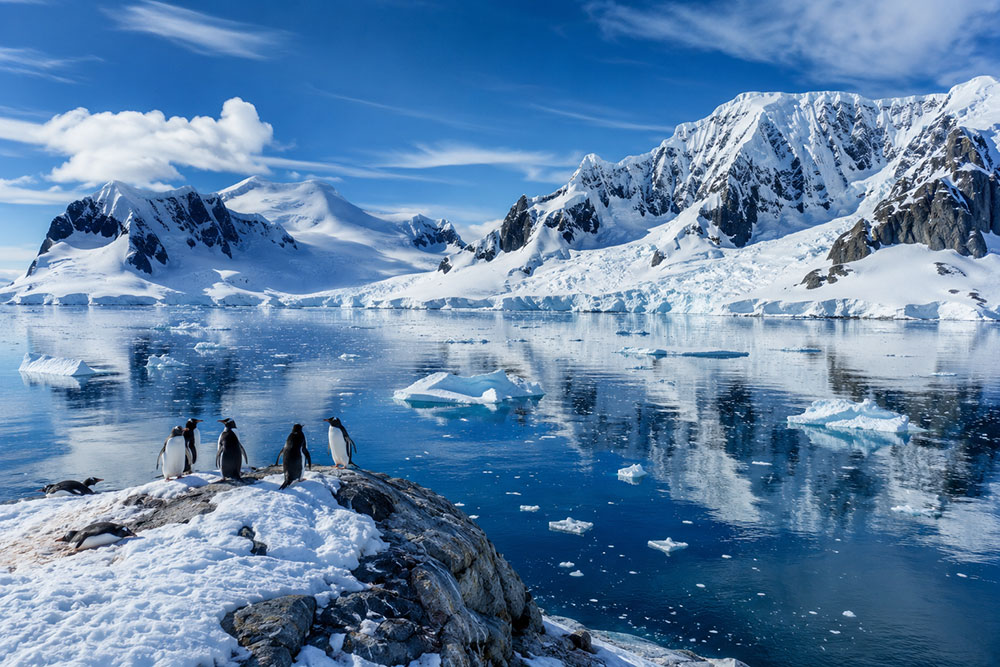
The landscape can still have a distinctly winter-like appearance, with extensive snow and ice covering the peninsula. For photographers, this can create dramatic scenery and a particularly pristine atmosphere.
Penguins are beginning their breeding season, and wildlife activity starts to increase.
November can suit travellers who are drawn to the landscape itself and want to experience Antarctica early in the season.
December: Wildlife and Long Days
December brings longer days and increasing wildlife activity.
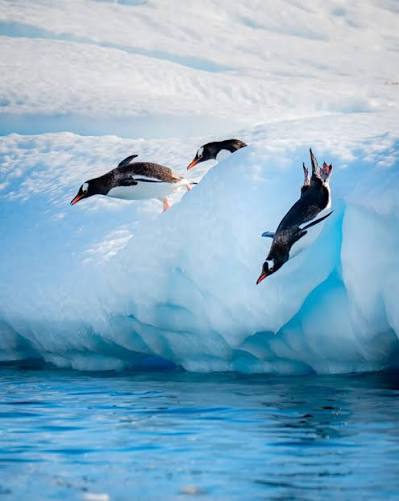
Penguin colonies become increasingly busy as breeding and nesting continue. The landscape also begins to change as temperatures rise during the Antarctic summer.
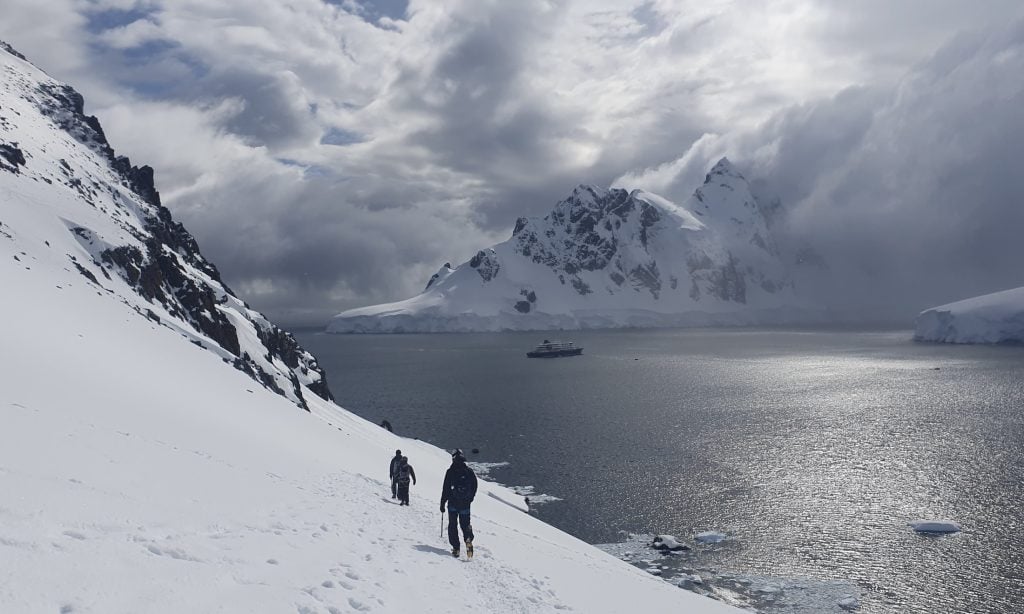
The extended daylight is another attraction. It gives expedition teams more flexibility when planning excursions and gives travellers more time to enjoy the scenery.
Christmas and New Year departures can also make December an interesting option for travellers looking to combine a major celebration with an extraordinary journey.
January: The Heart of the Antarctic Summer
January is right in the middle of the Antarctic summer.
Wildlife activity is often a major attraction during this period. Penguin colonies are busy, and travellers may have opportunities to see young chicks depending on the species and location.
Whale sightings can also become increasingly interesting as the season progresses.
The combination of wildlife, relatively long daylight hours and the classic Antarctic landscape makes January a popular period for expedition travel.
February: A Great Month for Wildlife Encounters
February continues the Antarctic summer, but the character of the landscape and wildlife experience begins to shift.
Penguin chicks may be more developed, while whale activity can be particularly rewarding in some areas.
For travellers interested in wildlife.
Planning your journey?
Speak with our team about the kind of experience you have in mind.